
Product Details


Resin-based composites reinforced with continuous alumina fibers

Classification:
Key words:
Contact Phone
Electronic E-mail
- Product Details
-
- 商品名称: Resin-based composites reinforced with continuous alumina fibers
Resin matrix aluminum fiber-reinforced composites, which are a class of high-performance composites, utilize synthetic resins as the matrix and aluminum continuous fibers as the reinforcement. As a significant branch of polymer matrix composites (PMCs), they combine the outstanding properties of resin matrices and aluminum fibers, featuring lightweight, high strength, high-temperature stability, and excellent electrical insulation.
Resin matrix aluminum fiber-reinforced composites, which are a class of high-performance composites, utilize synthetic resins as the matrix and aluminum continuous fibers as the reinforcement. As a significant branch of polymer matrix composites (PMCs), they combine the outstanding properties of resin matrices and aluminum fibers, featuring lightweight, high strength, high-temperature stability, and excellent electrical insulation.
Compared to traditional structural materials like steel and aluminum alloys, its density is approximately one-fifth that of steel and one-half that of aluminum alloys, while its specific strength and specific modulus are significantly higher than both.
With continuous breakthroughs in interfacial modification technology and low-cost preparation processes, this material is poised to find broader applications across industrial sectors and will become a key member of the resin-based composite family.
Partners





Product Application Field
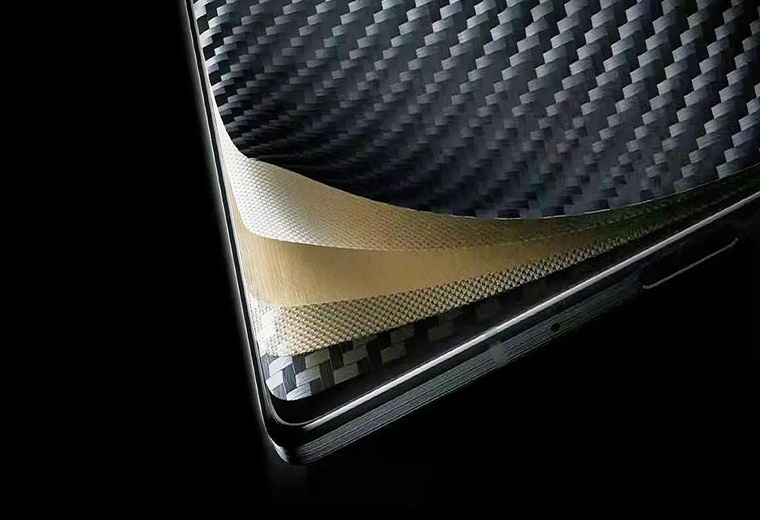
3C electronic
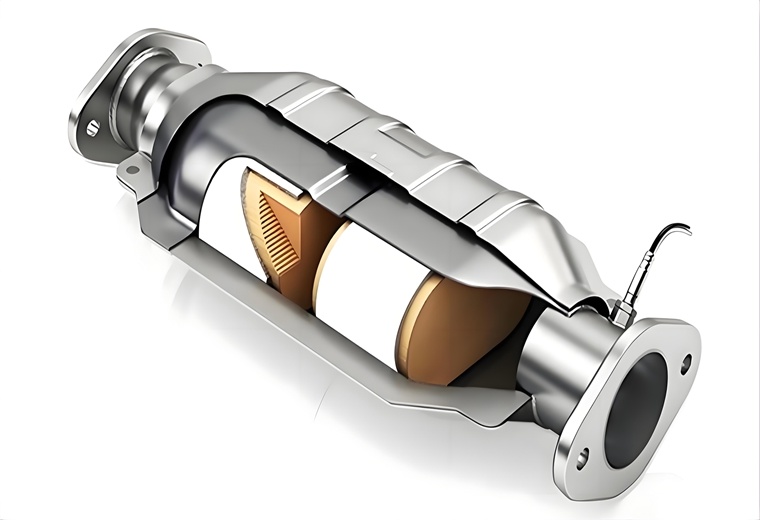
Automobile Manufacturing
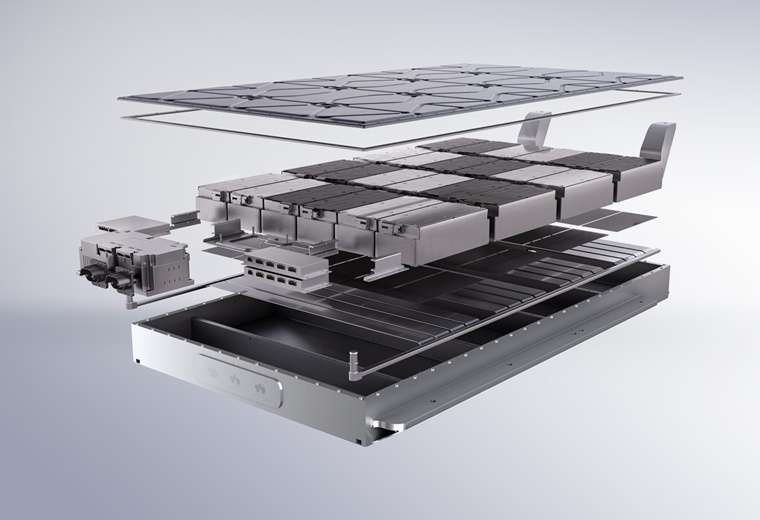
New energy battery
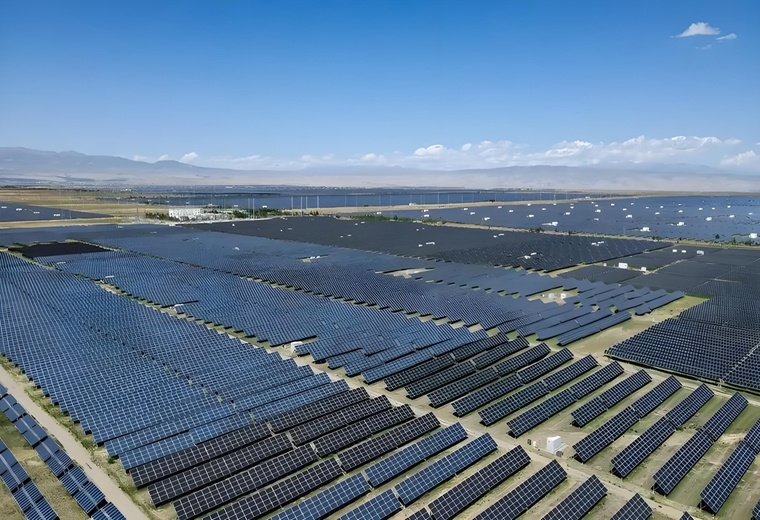
Photovoltaic industry
Related Products

Continuous Alumina Fiber Reinforced Ceramic Matrix Composites
Alumina fiber reinforced ceramic matrix composites, with low density, high specific strength, high specific modulus, corrosion resistance, wear resistance, high fracture toughness and good thermal stability, can effectively overcome the brittleness of ceramic materials, is the most successful application of lightweight high temperature structural composite materials.
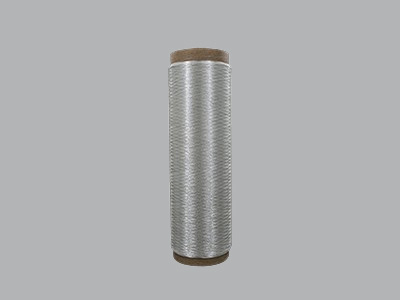
With an alumina content of 72% and a maximum operating temperature of 1200°C, the fibers are flexible, making them ideal for manufacturing textile products. After weaving or sewing, they can be formed into heat-insulating seals of various shapes and are also suitable for reinforcing composite materials.
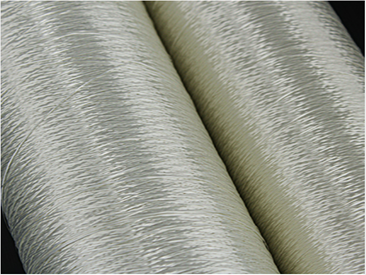
With an alumina content of 70% and a boron content of 2%, this fiber has a higher operating temperature than F-72, reaching up to 1,350 degrees. It offers good flexibility and excellent weaving properties, allowing it to be woven into high-temperature-resistant fabrics of various shapes. It is suitable for thermal protection applications—such as those in the petrochemical industry—that involve extreme high-temperature conditions.

Alumina continuous fiber C- 85
With an alumina content of 85%, it can be used for extended periods at high temperatures of 1300°C and is suitable for ceramic matrix composite applications. Ceramic products made from this material offer the best resistance to high-temperature thermal shock and creep, and can be used for extended periods in high-temperature, oxygen-rich environments.
Contribute professional strength to China's high-performance fiber materials
Helping the development of China's high-performance fiber material industry
Contact Information
If you have any questions or need help
Please feel free to contact our team
Company Address:
329 Haishang Road, Lingang New Area, Fengxian District, Shanghai
Please leave your email address to get the latest company and industry trends, we are on standby!
©2024 Shanghai Rongrong New Material Technology Co., Ltd. All Rights Reserved
Power By : www.300.cn SEO Business license

If you have any questions or need help
Please feel free to contact our team
Company Address:
329 Haishang Road, Lingang New Area, Fengxian District, Shanghai
Please leave your email address to get the latest company and industry trends, we are on standby!
Sales Phone (Manager Li):
86 15814407518
©2024 Shanghai Rongrong New Material Technology Co., Ltd. All Rights Reserved
Power By : www.300.cn SEO Business license